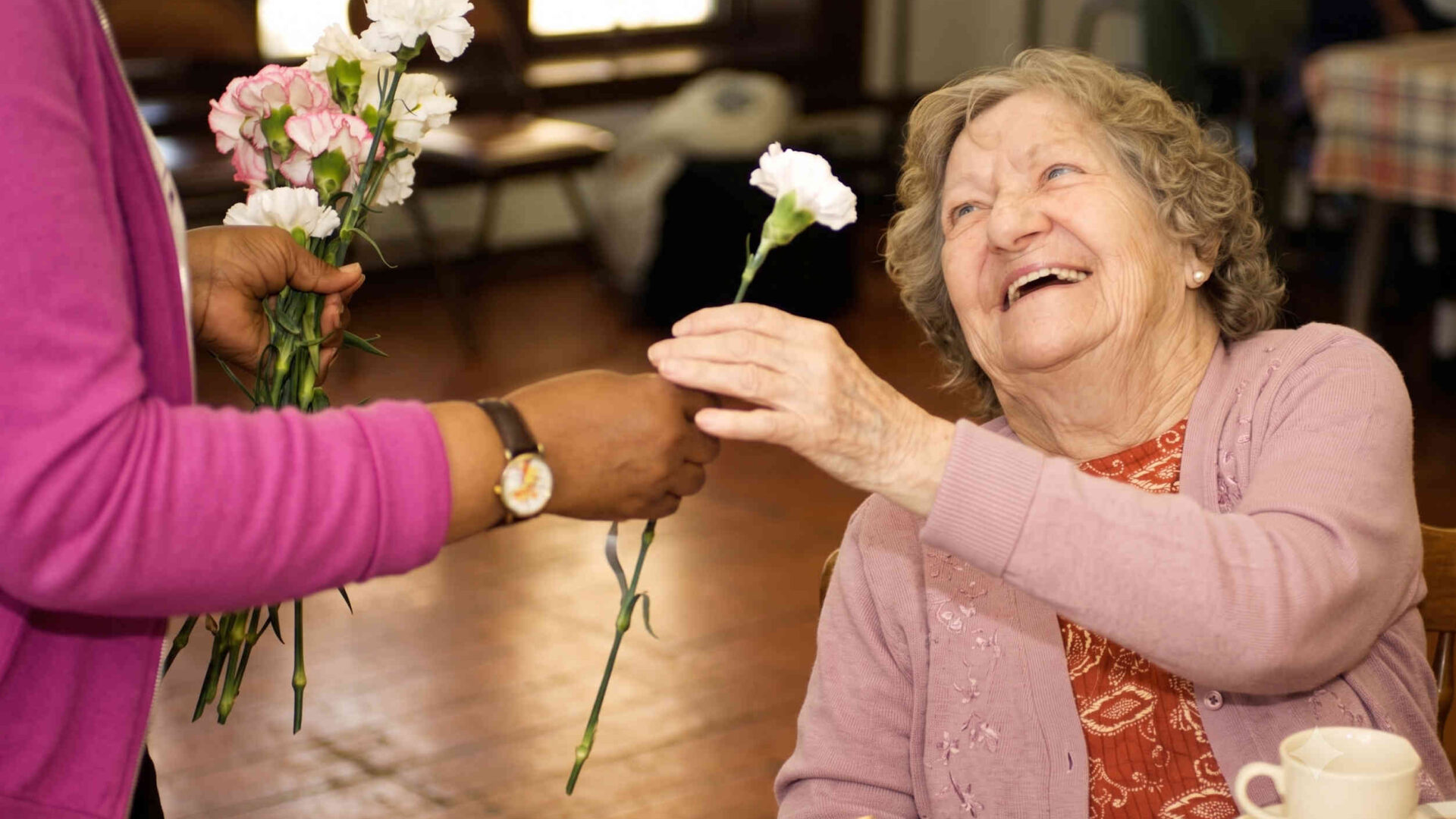

For more than thirty years, Contagious Joy has walked alongside residents in nursing and care homes — recognizing a pattern of quiet loneliness, deep emotional pain, and a longing to be seen. Our calling is to equip believers to step into this space with the only thing that lasts: The assurance of God’s love.
“When my mom moved into a nursing home, those familiar faces were no longer just people I visited—they became deeply personal. I began to feel the weight of the loneliness, the quiet, and the isolation many residents carry each day. My heart grew with a greater passion that every resident would have the opportunity to know and receive the life-changing joy, love, and hope found in Jesus..”
Sources: U.S. nursing home census · NIH PMC4011774 · NIH PMC7691803 · PMID: 32396600

Care that ends at the bedside.
- Medical and physical attention
- Periodic visits
- Activities and entertainment
- Gestures of kindness
Hope that outlasts the visit.
- Someone to sit, listen, and be present
- Prayer and reassurance
- A reminder that they are loved, seen, and not forgotten
- The assurance of God’s Word
In the Silence — We Hear the Call.
We live in a world filled with constant information, constant noise, and endless distractions—so much so that we have become uncomfortable with silence. Yet it is often in the silence that we hear God’s voice, calling us to respond to the needs of those around us.
According to research published by ScienceDirect, technology can be both helpful and harmful to our sense of meaning and purpose. When technology helps us connect with others or pursue meaningful goals, it can add value to our lives. But when it distracts us from the people and experiences right in front of us, it can take away from those meaningful moments.
The best decisions we make come when we ask God for wisdom in how to use our time.
Those who regularly serve develop…
Resilient minds
Stronger mental health, lower anxiety, and steadier emotional ground.
A sense of purpose
A deeper feeling that their life matters and that what they do counts.
Rooted identity
A clearer understanding of who they are — and whose they are.
Lasting compassion
Habits of kindness, forgiveness, and care that last.
The Joy of the Lord
Jesus teaches that joy begins when we understand how deeply God loves us. His love is not earned — it is given.
“I have loved you even as the Father has loved me. Remain in my love.” — John 15:9

"How can I remain in the love of Jesus?"
tap to revealGod’s Promise
When life gets busy, we may feel distant from God. But putting Him first—through prayer, reading His Word, and serving others—helps us stay close and strengthened.

"Loving others feels difficult"
tap to revealYou’ll Be Surprised
God invites us to ask for help in Jesus’ name. He promises to answer and produce lasting fruit, bringing abundant joy.

"I don't know what to do in nursing homes."
tap to revealWe’ll Guide You
Contagious Joy is here to gently support and encourage you as you take a simple step into serving. No experience or special skills needed—just a willing heart. We show up — God takes over and helps us catch the vision.
An Overlooked Mission Field...
Powerful Place For Spiritual Connection
As our population ages, meaningful relationships between young people and older adults are becoming less common. Yet research shows that bringing generations together benefits everyone.
“For we are God’s masterpiece. He has created us anew in Christ Jesus, so we can do the good things he planned for us long ago.”
Ephesians 2:10
“At first, I thought putting on plays for nursing homes would be boring. It wasn’t until after the first play that I realized how it made me feel when I saw the smiles on the seniors’ faces. When I looked out at them, I could see them clapping and smiling, and it made me smile. It made me realize how good it feels to give to others. I didn’t feel a lot of pressure to be perfect. I realized that no matter what, they will listen to you without a care if you aren’t perfect.”
Ethan Merrill